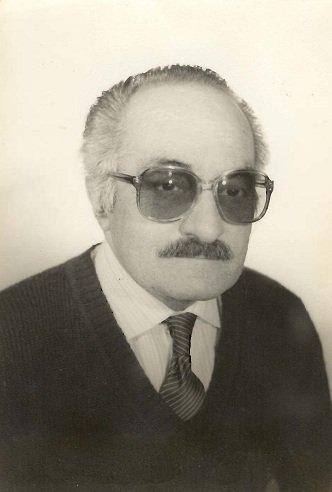
Carles Perpinyà i Sais (1917–1989, according to Màriam Serrà)
Carles Perpinyà, Maria Perpinyà’s brother, played a central part in the theatrical reorganisation of the Procession during the 1950s. According to Màriam Serrà, he was appointed director in 1950, and in 1955 the Patronat approved bringing the scenes together in the Square. The reorganisation process also incorporated paid admission to help cover the performance’s costs; the exact year when it was introduced is not established here.
The reorganisation was accompanied by a renewal of the texts. Maria Perpinyà contributed her literary work, with adaptations and new passages incorporated into the performance.
The transformation of the 1950s
Carles Perpinyà’s connection with theatre began with the Orfeó Vergelità. Jordi Roca’s study in La processó de Verges. Text de l’obra describes this musical and theatrical environment as a background to his commitment to the Procession. His work brought together experience in directing actors and the needs of a celebration performed by the villagers themselves.
The stages of the reorganisation need to be distinguished. Màriam Serrà dates his appointment as director to 1950 and the Patronat’s approval of the new arrangement of scenes to 1955. The change was prepared over those years; it should not be described as a single decision taken and fully implemented at one moment.
Bringing scenes together in the Square gave theatrical continuity to the first part of the Procession. The route through the streets continued as its second part. Ticket sales for the performance in the Square helped meet its costs, while the street section remained freely accessible.
This does not mean that Carles invented all earlier performances in the Square. Roca documents a platform for Pilate in this space from 1920. The scope of the 1950s reform was to bring together and reorganise scenes previously distributed around different parts of the village.
Directing a performance made by the village
Participants’ memories show what this work of direction involved. Mercè Roviras Bofill remembers instructions about breathing, vocal intensity, movement and the expression of the characters. Maria Ruart Ribas describes his exacting standards and the way he involved people in the performance. These are personal accounts of theatrical practice, rather than a complete record of each year’s rehearsals.
The work with Maria Perpinyà completed this transformation: Carles contributed to the staging and Maria to the texts. Their collaboration shows that renewing the Procession involved working simultaneously on what was said, how it was spoken and where it was performed.
The performance in the Square retains the importance of that reorganisation, despite later contributions and changes. The continuity of the Procession includes this ability to pass on a form and work on it anew with each generation.
Sources for the expanded account
Màriam Serrà, Verges i la processó que no es veu (El Mèdol, 1998), pp. 46–47. Jordi Roca, introductory study in La processó de Verges. Text de l’obra (Diputació de Girona, 2011), pp. 8 and 10–13. Interviews with Mercè Roviras Bofill and Maria Ruart Ribas in the Memòria Viva La Processó project, analysed as part of this research.
According to Màriam Serrà (p. 46), in 1978 the Patronat named him an honorary member in recognition of his work and dedication.
He died during Holy Week in 1989. According to Màriam Serrà (p. 47), the Manages observed a minute of silence in his memory that year.
Note on biographical dates. Serrà (p. 46) gives 1917–1989; the previous version of this article gave 1918 as his year of birth. The year 1917 is used with attribution to the author, pending a record identifying him that resolves the discrepancy. For his death, the previous text gave Holy Tuesday, 21 March 1989, while Serrà (p. 47) places it on Holy Wednesday. Without a primary document allowing these accounts to be reconciled, the narrative retains a general reference to Holy Week in 1989.