Last updated: April 18, 2026
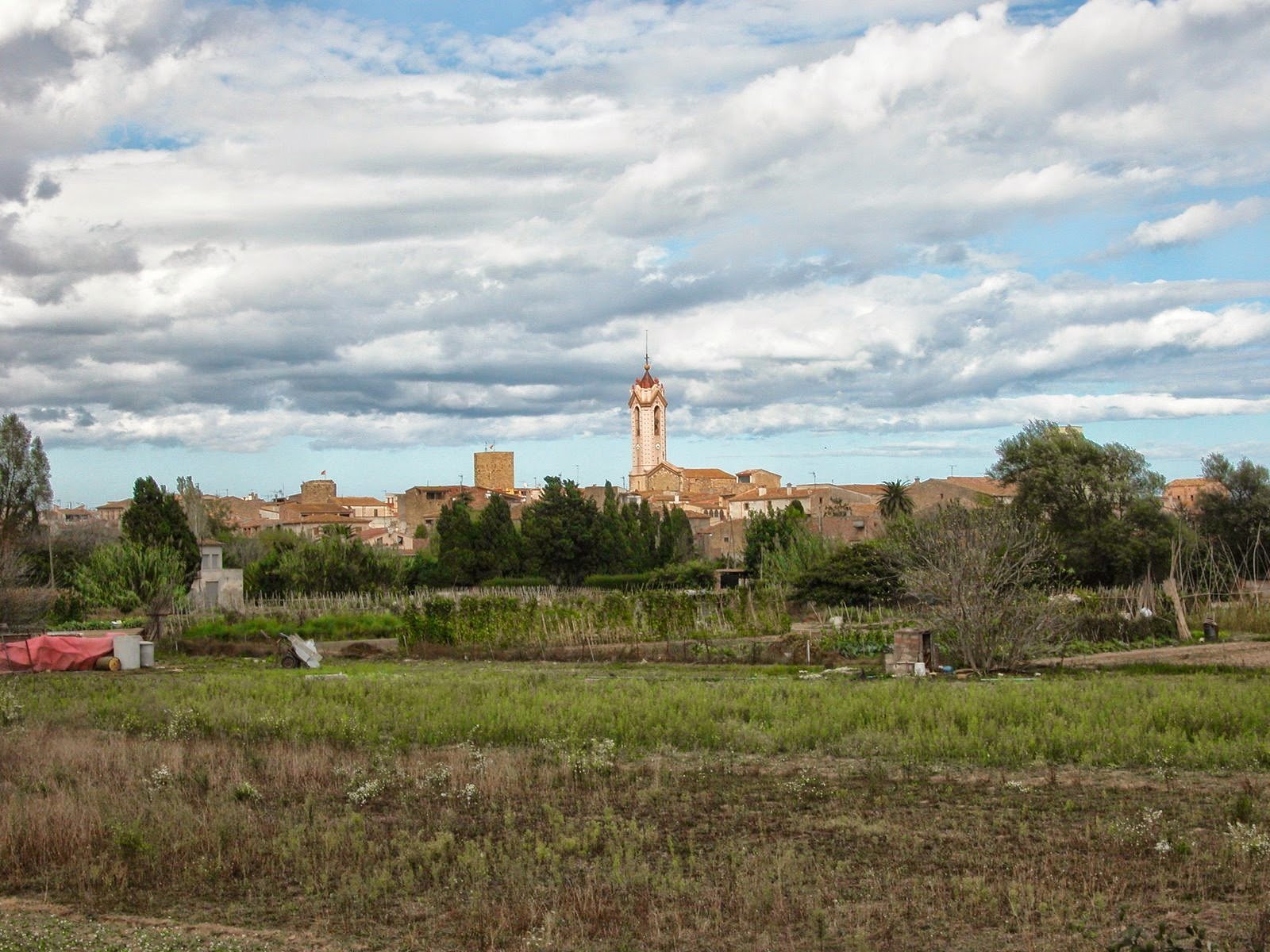
Verges is a historic town in Catalonia’s Baix Empordà region, situated on the left bank of the Ter river. With a population of 1,162 (as of 2022), its economy is primarily based on agriculture, livestock farming, and construction.
The History of Verges
The oldest part of the town was built during the medieval era. Magnificent remnants of the wall that once encircled Verges still stand, especially in the Plaça Major (Main Square). Here you can find a well-preserved gate flanked by two towers: a square one from the 13th-14th centuries and a circular one from the 15th-16th centuries.
Inside the walls, you’ll discover the church and the remains of the ancient 12th-century castle, which once stood where the Town Hall and the adjacent Little Square (La Placeta) are located today. Streets like Carrer del Ribossà and Carrer de l’Església are true survivors of the medieval village.
The only remaining part of the castle is a wall, about ten meters long by five meters high, now incorporated into the Town Hall building. The parish church of Sant Julià and Santa Basilisa still preserves the semi-circular apse and the eastern half of the nave from the original Romanesque church.
The town and castle of Verges were possessions of the Counts of Empúries until the county was dissolved. The barony of Verges, which included Verges, La Tallada, and Bellcaire, was incorporated into the crown in the 16th century.
As space within the walled enclosure ran out, new houses were built outside, following the paths leading from the gates. Streets such as Major, dels Bous, Ample, and dels Valls were formed during this era, when Verges was the head of an important royal bailiwick.
Verges, Catalonia Today
Although the population of Verges has not surpassed its 17th-century peak, the desire for modern housing and the establishment of small industries led to a new and significant urban expansion, especially from the 1960s onwards.
While Verges is world-famous for its Maundy Thursday Procession, the town is a must-visit at any time of year. If you visit on Shrove Tuesday, you can take part in the ‘Festa de la Sopa,’ a popular communal meal that is part of the carnival celebrations.
At any other time, you can explore the town center, visit the church dedicated to Sant Julià with its significant Romanesque features, and see the remains of the late-medieval walls and towers that once fortified the town.
The town’s proximity to the Ter river has decisively shaped its character. A pleasant walk along the riverbanks, known as La Mota, takes you between cultivated fields and cool groves. From the Ter branches a canal, the Rec del Molí, which brushes past the houses built on the remains of the old wall and passes under a mill. Planning a trip? Find out how to get to Verges and explore this unique destination.
We recommend not leaving the area without one last visit. Take the quiet and delightful local road towards Garrigoles to reach the scenic area of La Vall.