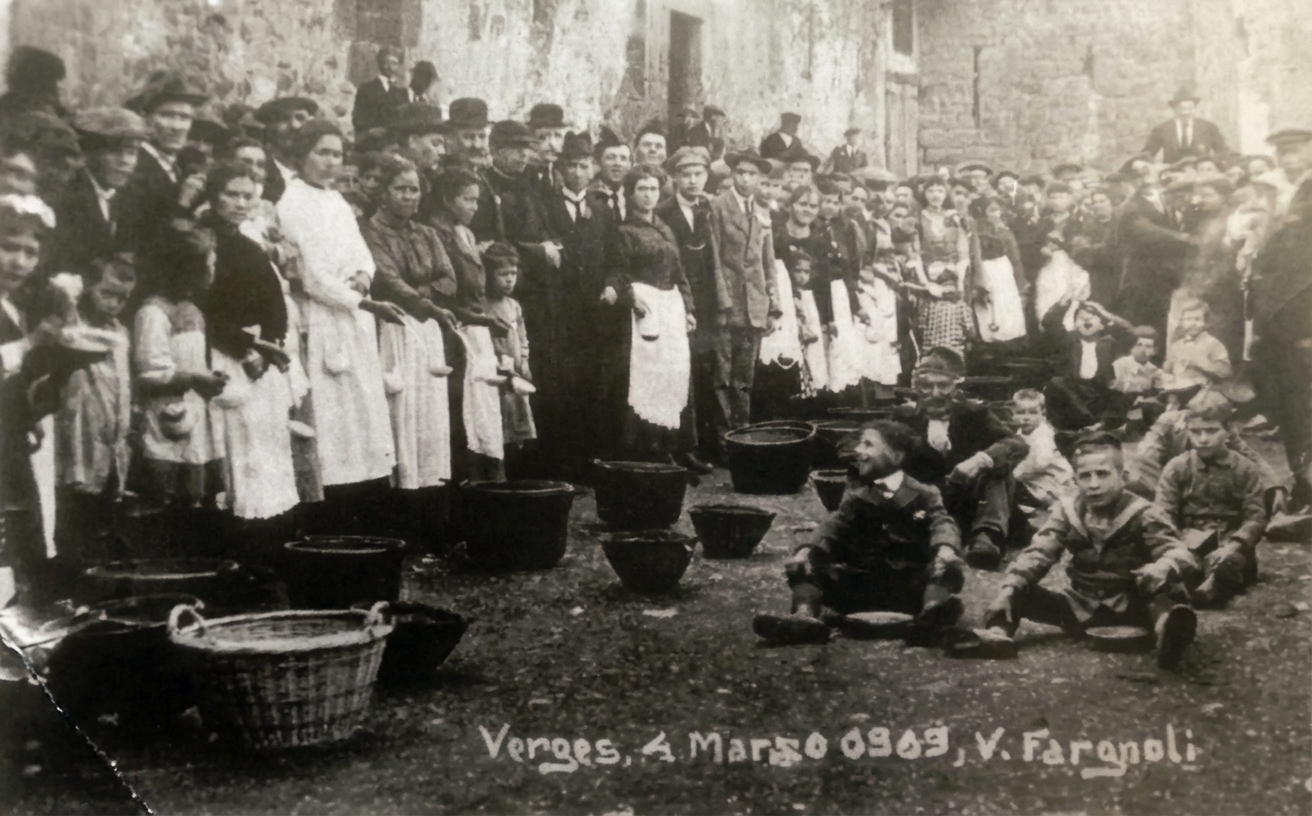
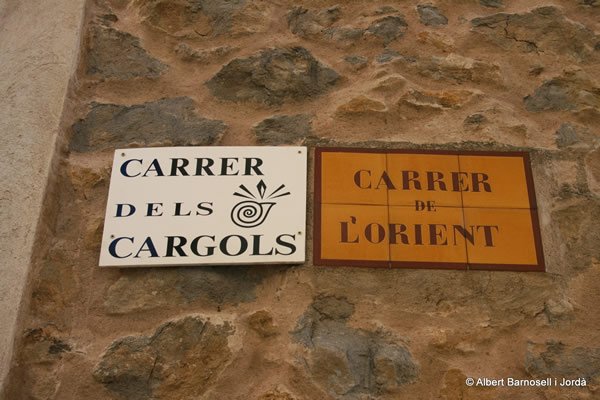
In Verges, the path to Holy Week has a mandatory stop amid the fires and cauldrons of the Main Square. The Sopa de Verges (or Shrove Tuesday Soup) is not just a popular meal; it’s the last great community feast that prepares the body and spirit for the fasting of Lent and the solemnity of the Procession.
A Tradition Rooted in Feudal Times
The history of this celebration dates back to the 14th and 15th centuries. According to oral tradition and historical studies, ancient feudal lords offered a highly nutritious soup to their vassals before the start of Lent. This gesture served as compensation for the hardships and hard work they endured throughout the year.
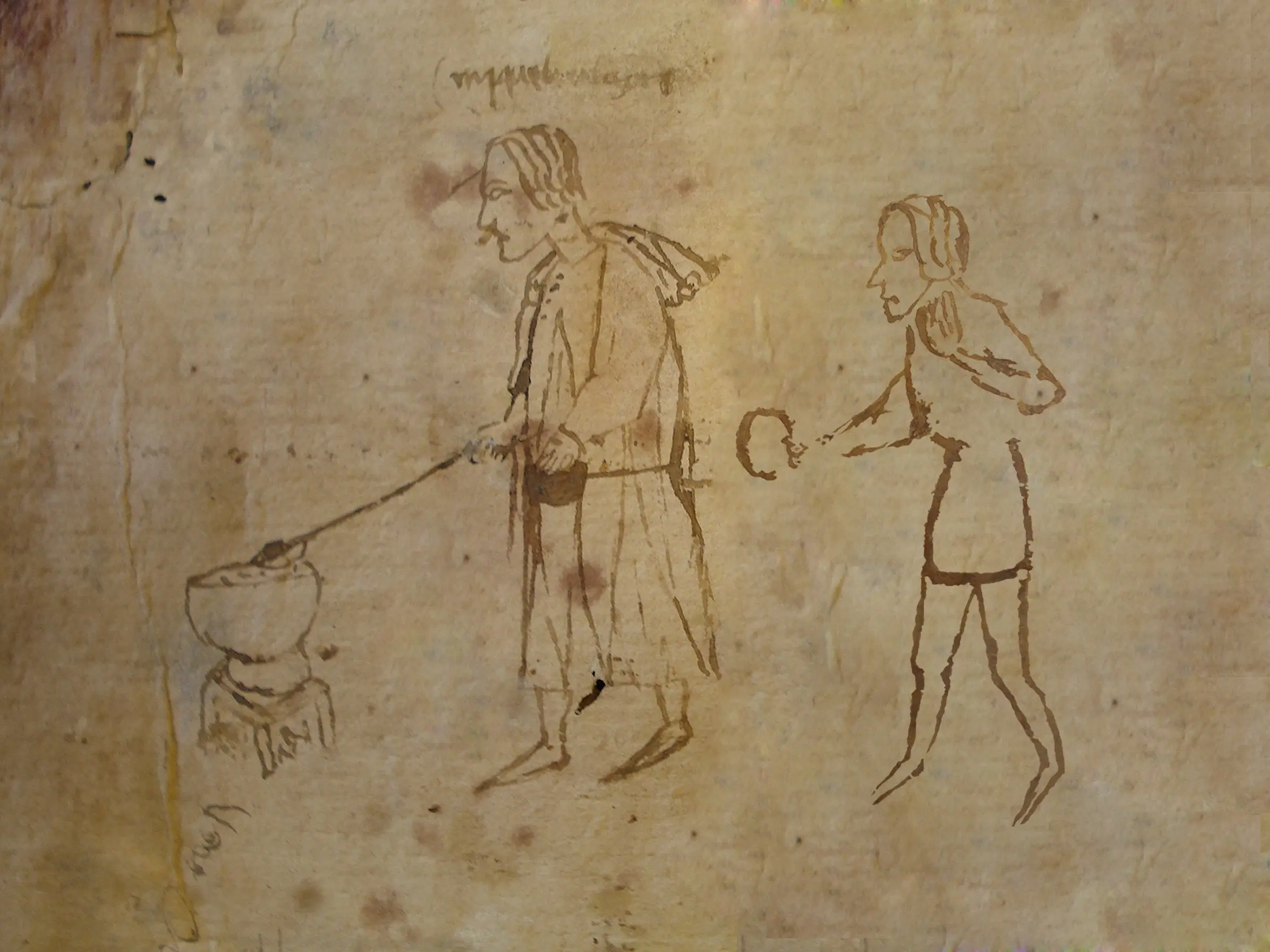
The first documented reference appears in a 17th-century notarial act, which includes a drawing of a man stirring a large cauldron. This legacy has endured, transforming the “soup of the poor” into the “soup of the people,” a symbol of unity among all people of Verges.
Preparations: A Village-Wide Effort
The Sopa would not be possible without the involvement of the locals. The process begins weeks in advance and follows a precise ritual:
- Firewood Collection: The men of the village gather up to 10 tons of wood to keep the fires burning on Tuesday.
- La Passada (The Collection): On the preceding Sunday, a procession with music and giants goes door-to-door, collecting ingredients or donations to fund the meal.
- The Cooking: On Shrove Tuesday at 7 AM, the fires are lit. Volunteers from the ‘Associació La Sopa de Verges’ stir some 30 cauldrons for hours, letting them simmer slowly.
The Recipe: What’s in the Sopa de Verges?
The Sopa de Verges is a hearty and calorie-rich stew. It contains a mix of legumes (beans and chickpeas), vegetables (onion, potato), and various meats (chicken, beef, pork, and lamb). A unique feature is the use of ‘saïm ranci’ (cured lard), an ingredient that gives it an ancestral and unmistakable flavour.
XI Gathering of Historical Soups
Verges is not alone in preserving this heritage. The town actively participates in the Gathering of historical stews, ranxos, and soups, which brings together groups from Catalonia, Andorra, and Italy. The goal of this union is to protect these gastronomic festivals and, in the future, achieve UNESCO recognition as Intangible Cultural Heritage of Humanity.
The Bridge to Maundy Thursday
This soup cannot be understood without its connection to the religious calendar. It marks the end of Carnival, a time of abundance before Ash Wednesday. For any Vergélitain, the warmth of that bowl of soup in the square is the first step toward the solemnity of the Maundy Thursday Procession.